 Sight Word Fluency Passages for Reading Intervention BUNDLE Distance Learning
  Text Evidence Passages For Beginning Readers
  Text Evidence Reading Passages RARE ANIMALS Edition
 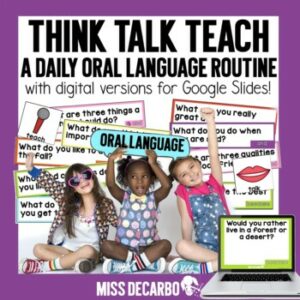 Think Talk Teach Daily Discussion and Oral Language for Little Learners
  SITE LICENSE No Prep Assessment Binder ELA Edition
 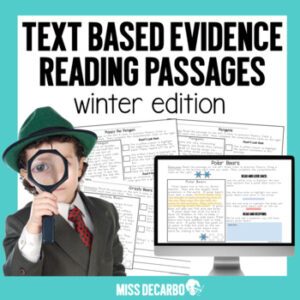 Text Evidence Winter Reading Passages Digital Distance Learning
 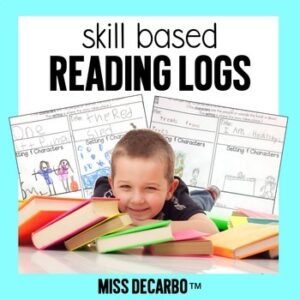 Reading Logs
 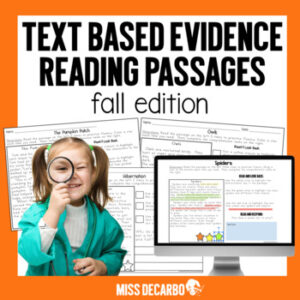 Text Evidence Fall Reading Passages Digital Distance Learning
  PAPERLESS September Daily Dendrite Challenge
  BONUS Daily Dendrite Challenge - Critical Thinking
  Sight Word Tracking BUNDLE
 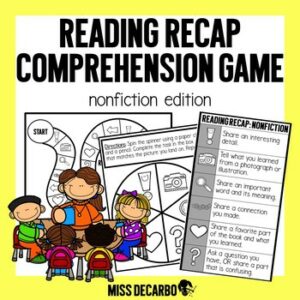 Nonfiction Comprehension Game
 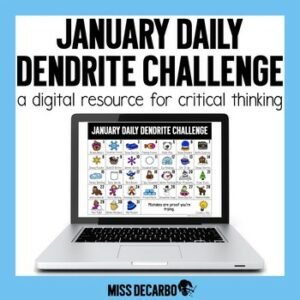 PAPERLESS January Daily Dendrite Challenge
  No Prep Assessment Binder BUNDLE Distance Learning
  Valentine's Day Text Evidence Reading Passages Digital Distance Learning
  States of Matter for Kids: Solids, Liquids, and Gases
  Brainamin Phonics Vowel Teams
  Science Unit MEGA BUNDLE!
  Brainamin Phonics Diphthongs
  Narrative Writing Practice
 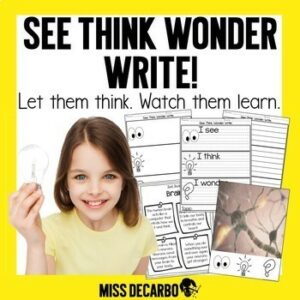 See Think Wonder WRITE Morning Work
 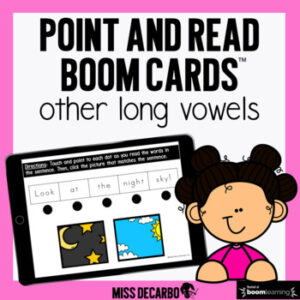 Point and Read Other Long Vowels Boom Cards™️
 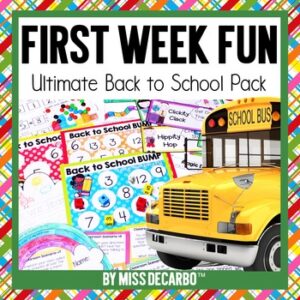 Back to School First Week Fun Pack
 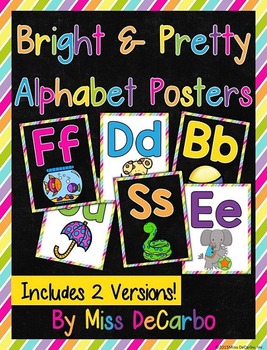 Alphabet Posters
  Beginning Sounds Boom Cards™ Distance Learning
  Sight Word Fluency MEGA BUNDLE for Distance Learning
  Number Posters
  Point and Read BLENDS Boom Cards™️ Distance Learning
  Point and Read DIGRAPHS Boom Cards™️ Distance Learning
  See Think Wonder Write EXPANSION PACK Morning Work
 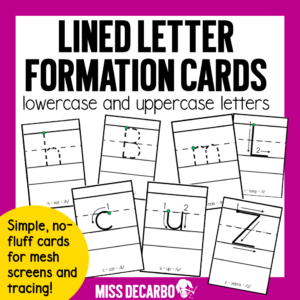 Lined Letter Formation Cards for Structured Literacy Lessons
  Sight Word Search Boom Cards™️ - Fry Words 1-25
  Tap and Blend CVC Phonics Boom Cards
  Let's Get Chatty! Picture Prompts for Classroom Discussion
  Nonfiction Decodable Books: Silent E Words Boom Cards
  Tap and Blend DIGRAPHS Phonics Boom Cards
  No Prep Reading Intervention Diphthongs Boom Cards™️ Distance Learning
 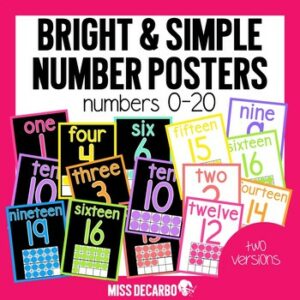 Bright Simple Number Posters
 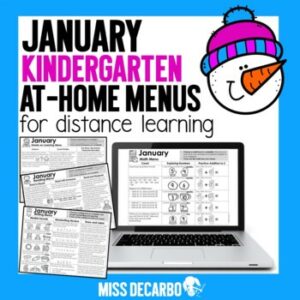 January Kindergarten At Home Menus Distance Learning
 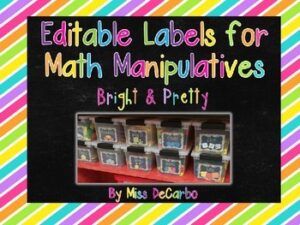 Editable Labels for Math Manipulatives and Organization {Bright & Pretty!}
 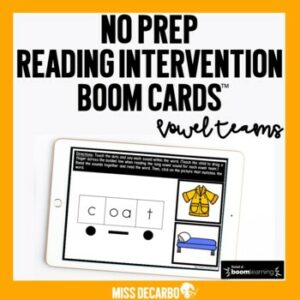 No Prep Reading Intervention Vowel Teams Boom Cards for Distance Learning
 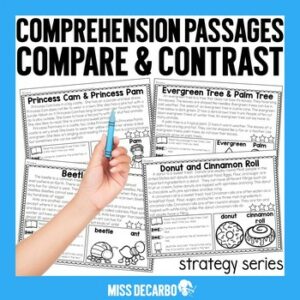 Compare and Contrast Reading Passages
 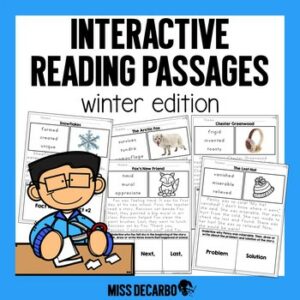 Interactive Reading Passages: WINTER Edition
 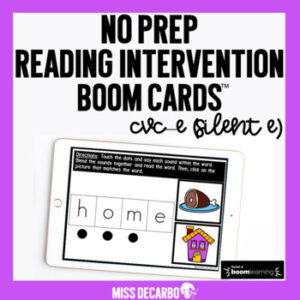 No Prep Reading Intervention CVC-E Boom Cards™️ Digital and Distance Learning
 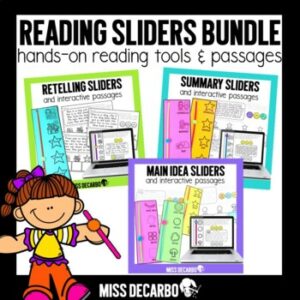 Reading Sliders Bundle
 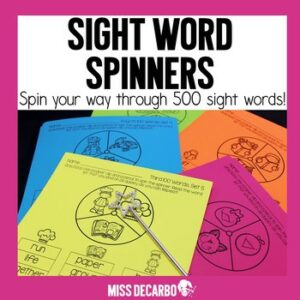 Sight Word Spinners
 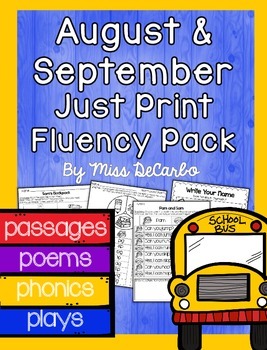 August and September Just Print Fluency Pack
 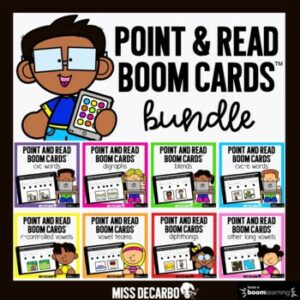 Point and Read Phonics Boom Cards BUNDLE Distance Learning
 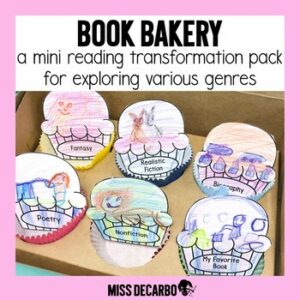 Book Bakery Day: Reading Mini Pack
  Point and Read Vowel Teams Boom Cards™️
  Ultimate Binder Bundle: No Prep Reading and Math Intervention and Assessments
  Kindergarten Vocabulary FREE WEEK
  Point and Read CVC Boom Cards™ Distance Learning
  Text Evidence Spring Reading Passages Digital Distance Learning
  No Prep Math Intervention and Assessment Bundle
  Main Idea Sliders Reading Passages Digital Distance Learning
  March Kindergarten At Home Menus Distance Learning
  Sight Word Fluency Passages For Reading Intervention and Distance Learning
 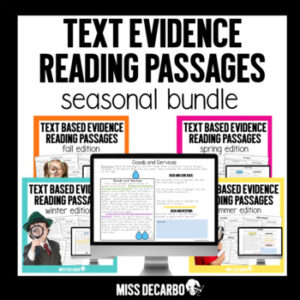 Text Evidence Reading Passages BUNDLE
 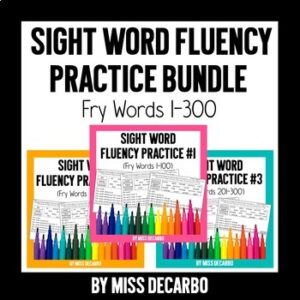 Sight Word Practice Pack BUNDLE - Distance Learning
 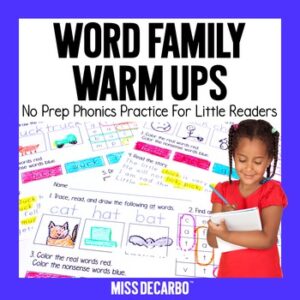 Word Family Warm Ups No Prep Phonics Practice for Little Readers
 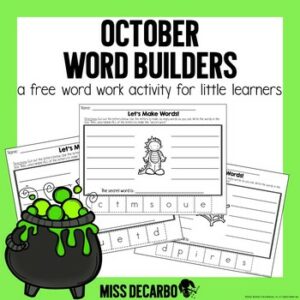 October Word Builders Work Work Activity
 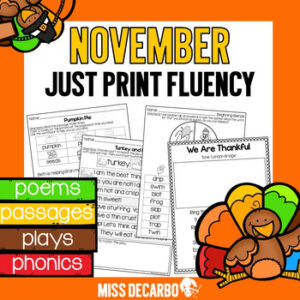 November Just Print Fluency Pack
 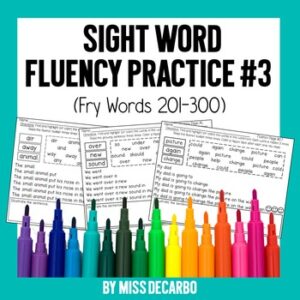 Sight Word Fluency Practice 3 (Fry Words 201-300)
  SITE LICENSE Sight Word Fluency Passages Bundle
 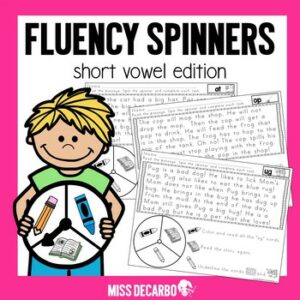 Fluency Spinners Short Vowel Edition
  Fluency Spinners Long Vowel Edition
  Retelling Intervention for Retelling and Fluency
  Text Evidence Reading Passages CHRISTMAS EDITION
  Vocabulary Curriculum First Grade Set 3
  First Grade Vocabulary FREE WEEK
  Spice It Up! January Bundle (Reading, Writing, and Math)
  Text Evidence Reading Passages BIOGRAPHY Edition
  October Just Print Fluency Pack
  Brainamin Phonics Short O
  Sight Word Reading Cards: Read Find Eliminate
  Sight Word Fluency Practice 2: Fry Words 101-200
4 strategies for Letter Formation success
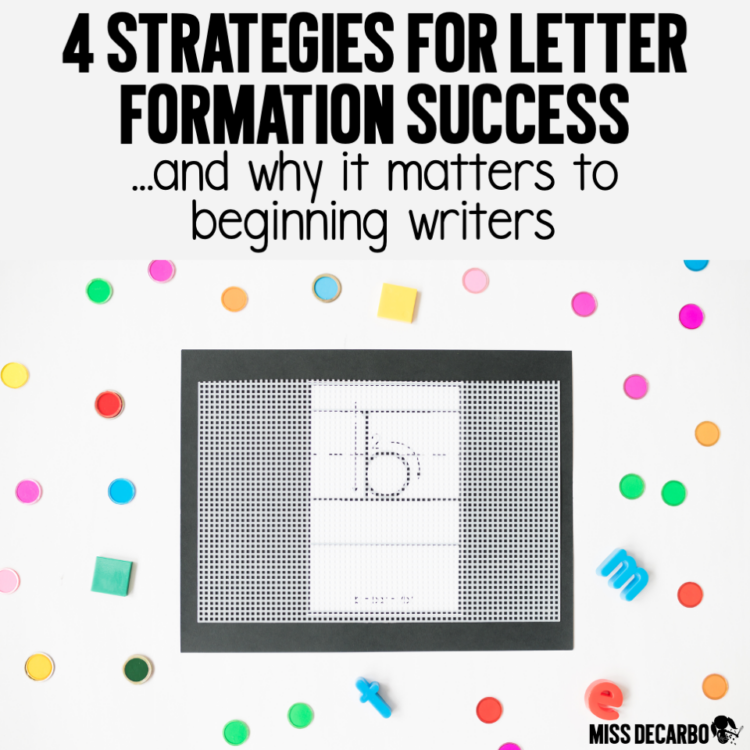
Proper letter formation is a foundational skill for beginning writers. When it comes to letter formation, explicit instruction and plenty of direct practice is critical. Writing letters correctly and with automaticity can be tricky for many of our young students. In this blog post, I’m sharing four strategies to help you practice correct letter formation with your students. Both the teacher and students will love these engaging and effective strategies!
Before we dig into these four letter formation strategies, let’s talk about WHY proper letter formation is so important to our beginning writers. Here we go!
Is correct letter formation important?
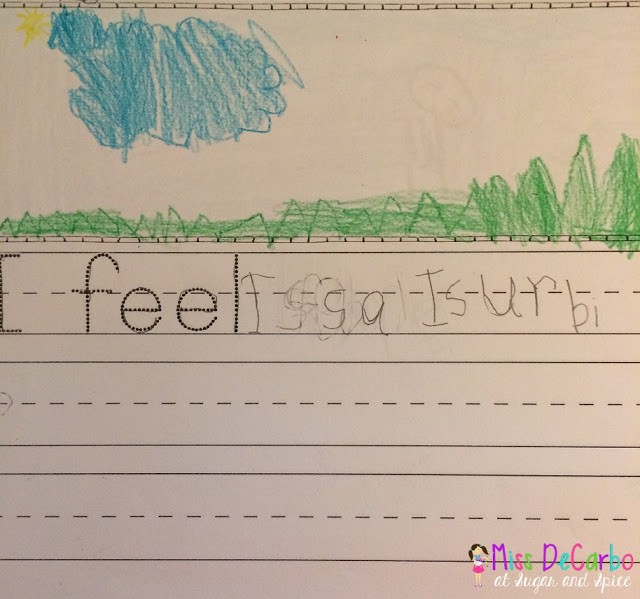
Yes! When students can correctly form letters with automaticity and accuracy, they are free to spend their energy focusing on composing and organizing their ideas. When a student is not yet able to fluently and accurately form letters, retrieving the correct letter and its’ formation is cognitively demanding. As a result, the act of writing can quickly become tedious and mentally exhausting for young children. Students who are provided with instruction that emphasizes handwriting early are less likely to develop a negative mindset or attitude toward writing. In order to become fluent writers, students must be able to quickly retrieve the letter name and the correct formation that they need as they put their pencil to the paper.
Explicit instruction of letter formation skills, along with proper pencil grip and a multisensory approach, can lay a strong foundation for students. With these components in place, young writers can become fluent, efficient writers who will spend their mental energy focusing on their ideas and organization.
Let’s dive into four engaging ways that we can promote proper letter formation in fun, effective, and engaging ways for our students!
repetition for pathways of motion
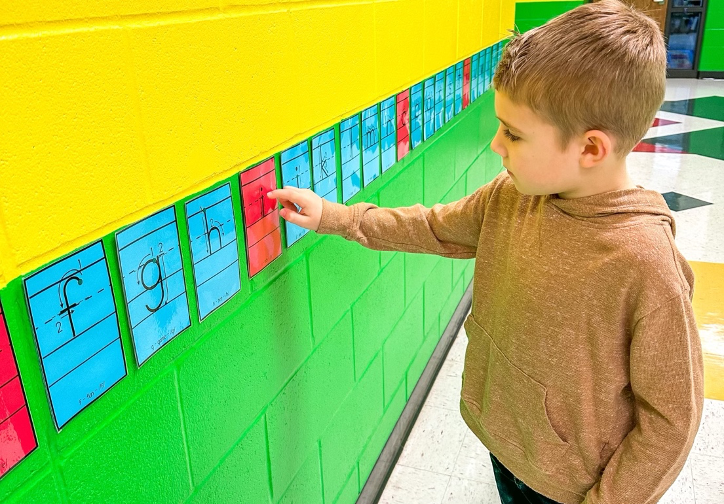
Letter formation success can start right in our hallways! Create a horizontal letter formation display in your classroom or in your school’s hallway. First, laminate and hang up your handwriting letter formation cards. During transition times or as a center activity, students will walk down the hallway and practice proper letter formation with their fingers. Teach students to say the letter name and sound as they trace the letter on the card! This activity makes a great brain break, literacy center, and small group transition activity, too!
Letter formation skills require direct practice and LOTS of repetition. Integrating this path of motion activity into your daily schedule gives students a chance to practice their letter formation skills while moving their bodies! It’s a fun multisensory activity that will improve your students’ muscle memory for each letter!
provide multisensory practice
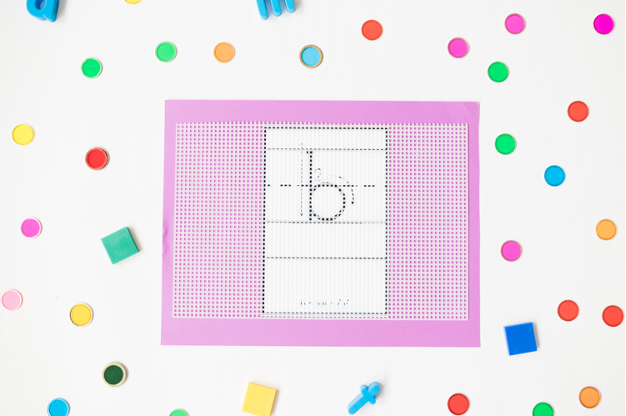
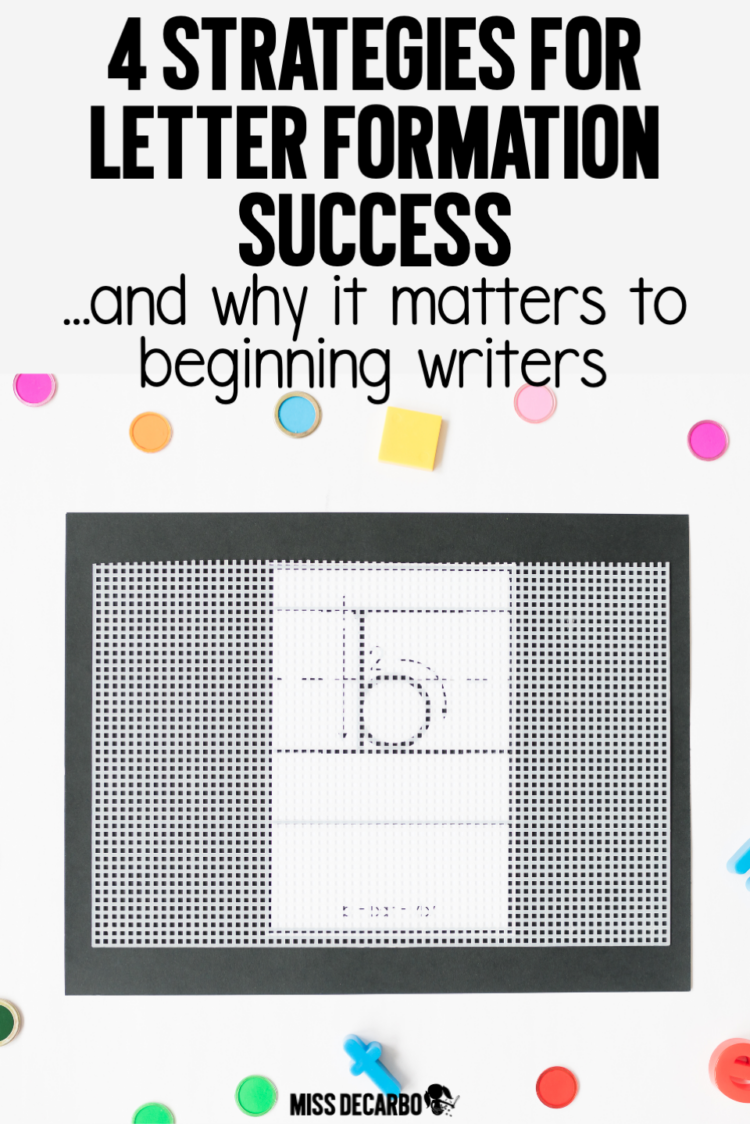
Place a mesh screen over your letter formation cards. Adding multisensory input gives your students the opportunity to build muscle memory, and caters to visual and tactical learners. Using the same routine as your hallway activity, students should say the letter name and sound while tracing over the letter formation card with their fingers. Repeating this procedure three times for each letter boosts the amount of practice repetitions they can squeeze into their day.
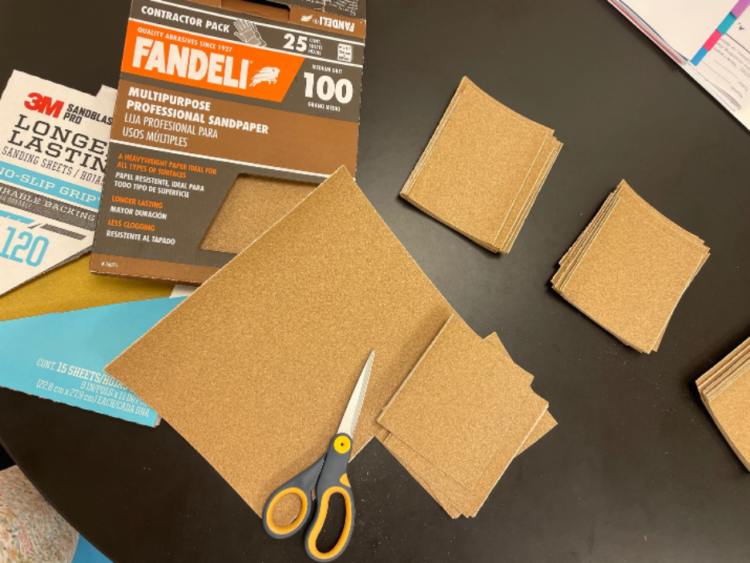
Sandpaper is another way to turn your letter formation practice into a multi-sensory activity! Cut up a piece of sandpaper into smaller squares. Provide each student with their own piece of sandpaper to practice forming letters with their fingers before they write it on the paper. This is a fun way to get those hand muscles moving, while also giving the brain an opportunity to practice the letter’s formation using a different sensory approach.
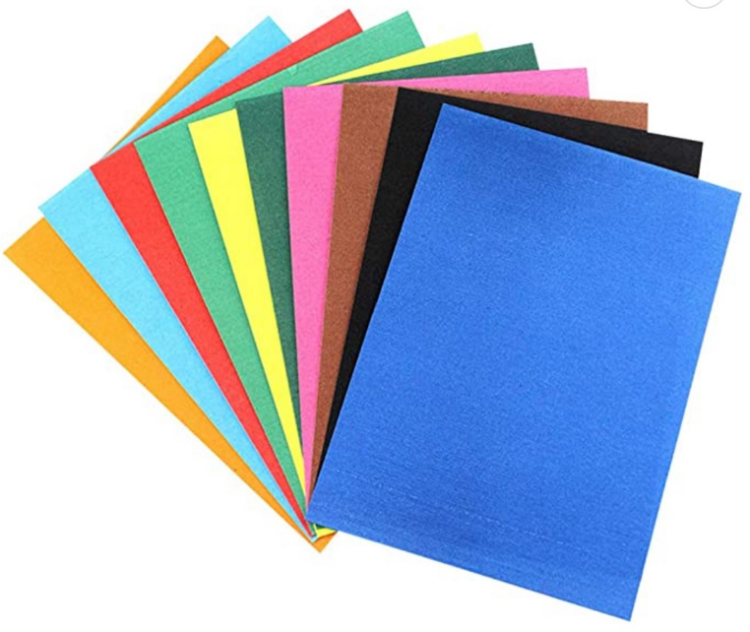
Did you know there is also colorful sandpaper?! Colorful sandpaper works the same as regular sandpaper, but it can definitely add some novelty and fun into your routine! I love using colorful sandpaper to coordinate with various seasons and holidays!
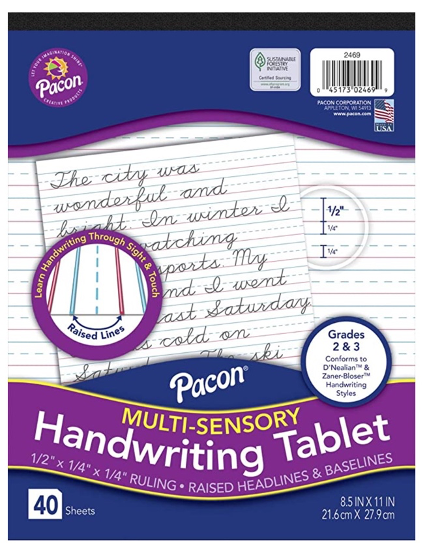
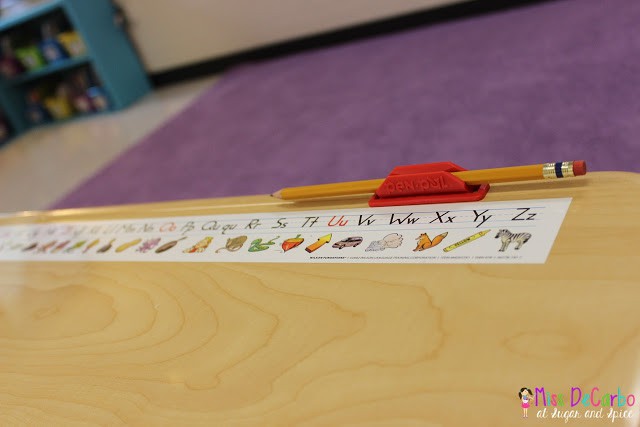
You may have students who struggle to keep their letters on the baseline or find that some students have a hard time making letters such as b, t, and d touch the top line on the paper. Multisensory handwriting paper helps students who are struggling to correctly use their handwriting lines. This paper has raised lines, which can help struggling students “feel” where to start and stop their pencil on the paper.
digital letter formation literacy center
Some students will find success with digital handwriting practice. LetterSchool is an app that provides a digital way for students to practice their handwriting skills. I use this app at home, with my own children, and in the classroom! LetterSchool has many features that make it easy to use. You can choose from three typefaces: Handwriting Without Tears, D’Nealian, and Zaner-Bloser. You can also switch between lowercase letter practice and uppercase letter practice. Mix this app into your small group, 1:1 intervention time, or even as a literacy center with a partner as a fun way to practice handwriting!
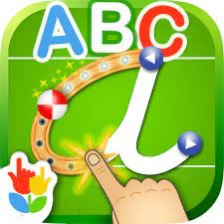
Download the LetterSchool app in the App Store or in Google Play!
model and practice letter formation
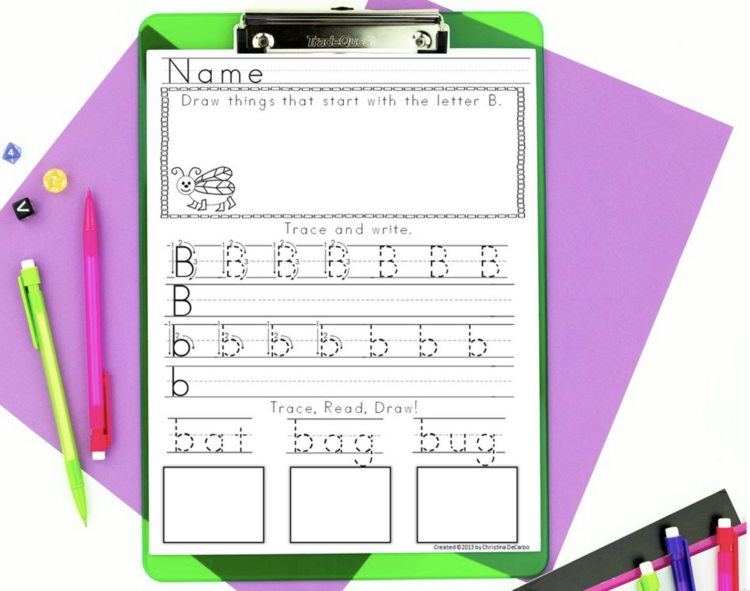
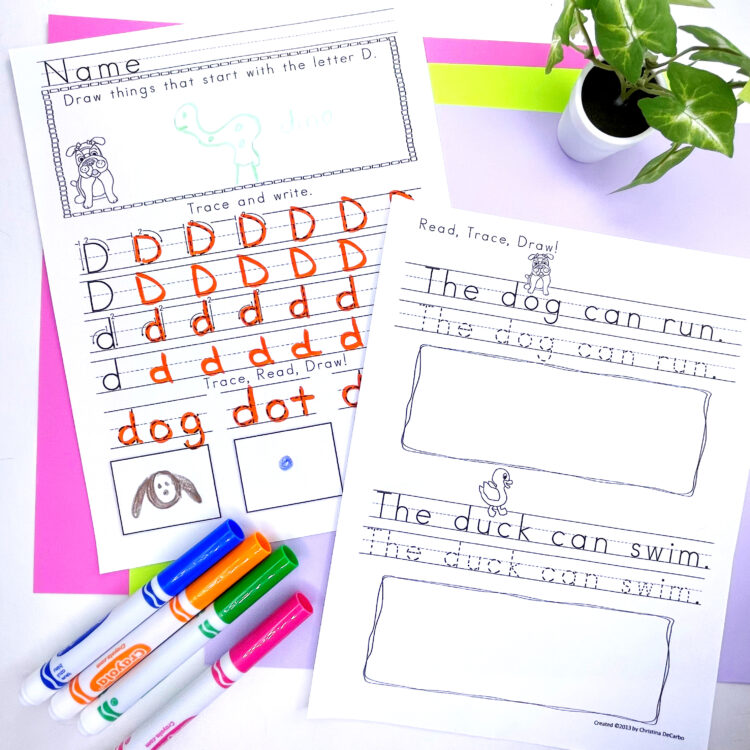
While dry erase boards and materials such as sandpaper and mesh screens are valuable, we want to ensure that we are always following up with practice on paper. Always think of your end goal. The end goal is for our students to correctly form letters with automaticity. Paper-based resources, such as my Handwriting for Beginning Readers pack, provide repetition with each letter and gain confidence in decoding at the same time!
You can check out a video below to learn more about my Handwriting for Beginning Readers pack:
The Handwriting for Beginning Readers booklet is a perfect daily activity for the beginning of the school year, or as a mid-year handwriting review activity. Staple all of the pages together into a booklet for each student, or pass out individual letter pages that you are working on.
letter formation matters!
As discussed earlier in this post, we know that early handwriting instruction has been shown to improve our students’ overall writing skills. Implementing engaging practice opportunities and plenty of repetitive, explicit instruction is necessary for students to develop automatic and accurate letter formation. As Steve Graham (2009-2010) explains in his article Want to Improve Children’s Writing? Don’t Neglect Handwriting, young writers need to develop this fluent, legible handwriting so that they can focus on generating and organizing their ideas as they write.
I hope you loved learning about these four engaging and effective letter formation strategies. When our students develop letter formation success, we help them build a strong foundation for their future writing skills!
Check out these resources to build proper handwriting practice and letter formation success in your classroom:
For additional tips and tricks on handwriting, you may also love this additional blog post on handwriting hacks!
Feel free to share this blog post with your colleagues by pinning the image below!
Graham, Steve. “Want to Improve Children’s Writing? Don’t Neglect Their Handwriting.” American Federation of Teachers, 2009-2010, https://www.aft.org/sites/default/files/graham.pdf.